

10 Tips for Controlling Your Blood Pressure
- Category: Health Education, OBGYN, Heart & Vascular, Primary Care, Women's Health
- Posted On:
High blood pressure — also known as hypertension — is often called the “silent killer” because it typically has no obvious symptoms. Left untreated, it can damage blood vessels and significantly increase the risk of serious health conditions such as heart attack, stroke, kidney disease, and cognitive decline.
The good news? Adopting a heart-healthy lifestyle can lower your blood pressure and reduce your risk of long-term complications.
Know Your Numbers
Blood pressure measures the force of blood pushing against your artery walls. When that force remains consistently high, it is classified as hypertension.
Blood pressure readings include two numbers:
- Systolic (top number): Pressure when the heart beats
- Diastolic (bottom number): Pressure when the heart rests between beats
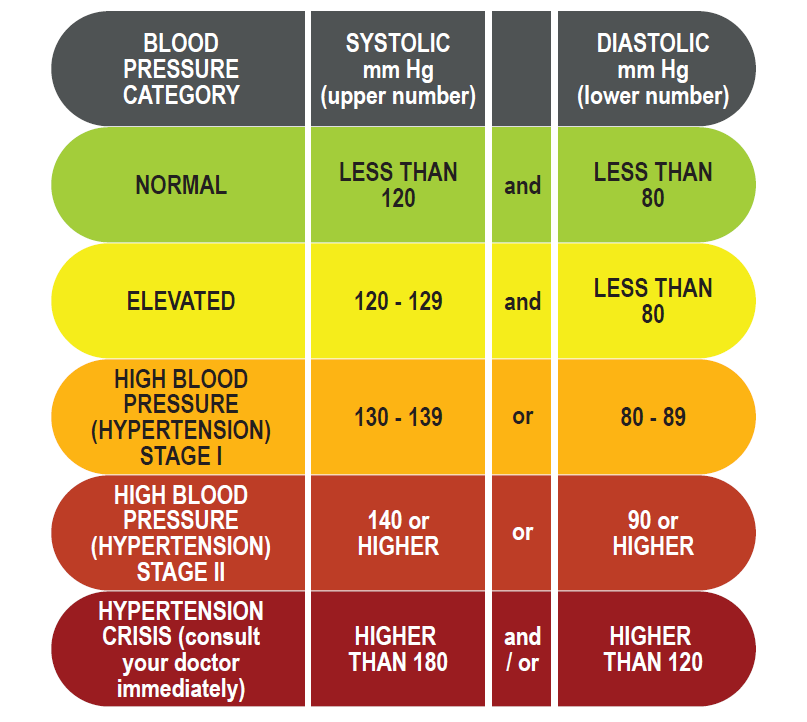
Regular monitoring is one of the most important steps you can take to protect your heart health.
When Does Hypertension Become an Emergency
Hypertension often presents no symptoms, but severely elevated blood pressure may be accompanied by:
- Headaches
- Shortness of breath
- Nosebleeds
- Blurred vision
Call 911 or seek immediate medical care if high blood pressure is paired with:
- Chest or back pain
- Numbness or weakness
- Difficulty speaking
- Vision changes
These may signal a medical emergency.
Tips to Lower Blood Pressure
According to the American Heart Association (AHA) and Mayo Clinic, healthy daily habits can significantly improve blood pressure.
1. Follow a Heart-Healthy Diet
Eat a balanced diet rich in fruits, vegetables, whole grains, lean proteins, and low-fat dairy. The DASH eating plan is widely recommended for preventing and managing hypertension (American Heart Association).
2. Reduce Sodium Intake
The AHA recommends limiting sodium to no more than 2,300 mg per day, with an ideal goal of 1,500 mg, especially for adults with high blood pressure.
3. Maintain a Healthy Weight
Even modest weight loss can help lower blood pressure and reduce strain on the heart.
4. Get Regular Physical Activity
Exercise strengthens the heart, improves circulation, boosts mood, and supports healthier blood pressure levels. Aim for at least 150 minutes of moderate activity per week.
5. Limit Alcohol Consumption
Drinking too much alcohol can raise blood pressure and reduce the effectiveness of medications. The AHA recommends limiting — or avoiding — alcohol as part of a heart-healthy lifestyle.
6. Manage Stress
Chronic stress may contribute to elevated blood pressure. Techniques such as deep breathing, meditation, physical activity, and spending time with supportive friends and family can help.
7. Quit Smoking
Nicotine causes an immediate spike in blood pressure and damages blood vessels. Quitting smoking lowers your risk of heart disease and improves overall health.
8. Prioritize Quality Sleep
Poor sleep — including fewer than seven hours per night — is associated with hypertension. Consistent, restorative sleep plays a critical role in heart health.
9. Monitor Your Blood Pressure Regularly
Checking your blood pressure helps detect problems early and allows for faster intervention. Early treatment can reduce the risk of brain health changes and cognitive decline.
10. Understand Your Risk Factors
Some risk factors are controllable, while others are not. Knowing where you stand empowers you to take preventive action.
Common risk factors include:
- Age: Risk increases over time
- Family history: Genetics can play a role
- Race: Hypertension is more prevalent among Black adults and often develops earlier
- Excess weight
- Sedentary lifestyle
- Smoking or vaping
- High-sodium, low-potassium diets
- Chronic conditions: such as kidney disease, diabetes, and sleep apnea
Why Blood Pressure Control Matters
It can be tempting to put off lifestyle changes, but uncontrolled hypertension can lead to serious complications, including:
- Heart attack or stroke
- Heart failure
- Aneurysm
- Kidney disease
- Vision loss
- Metabolic syndrome
- Memory issues and cognitive decline
- Dementia
- Sexual dysfunction
Taking action today can protect your health for years to come.
Take the First Steps to Better Health Today
Managing your blood pressure doesn’t require perfection – just consistency. Small, sustainable changes over time can have powerful benefits.
The first step to knowing your numbers, assessing your risk factors, and building a plan to lifelong health begins with a visit to a primary care provider (PCP). A PCP is your partner in health for life. Scheduling a visit with Lake Charles Memorial is easy – we offer same week appointments for primary care visits. To explore our list of providers and schedule a visit, click here.
Your heart works hard for you every day. Taking care of it is one of the best investments you can make for a healthy future.
References:
American Heart Association
Mayo Clinic