Innovative Robotic-Assisted Technology Close to Home
Meet Our Family of Robots
At Lake Charles Memorial, we provide the most advanced technology delivered
by human hands to patients in southwest Louisiana. Our team of experienced
physicians and staff, coupled with the most advanced medical technology
in the world, provides modernized healthcare that’s personal. With
a wide range of minimally invasive robotic surgery procedures, including
hernia repairs, gall bladder procedures, colorectal surgery, cancer excision,
urological procedures, gynecologic procedures, orthopedic, neurological
surgery and more, robotic surgery offers shorter recovery times, fewer
complications, less scarring, and less pain, choosing robotic-assisted
surgery can help you get back to the things you love faster.
Where compassionate care meets precise technology
Enhancing, not replacing your physician's hands
Robotic-assisted surgery and treatment is one of the latest advancements
in medicine and has revolutionized treatment for a wide range of conditions.
This physician-guided technology allows physicians to assess and treat
more complex health issues with greater precision, in less time. From
surgery, to biopsy, and cancer treatment, robotic-assisted technology
is rapidly becoming the preferred choice for those patients who qualify
for this treatment.
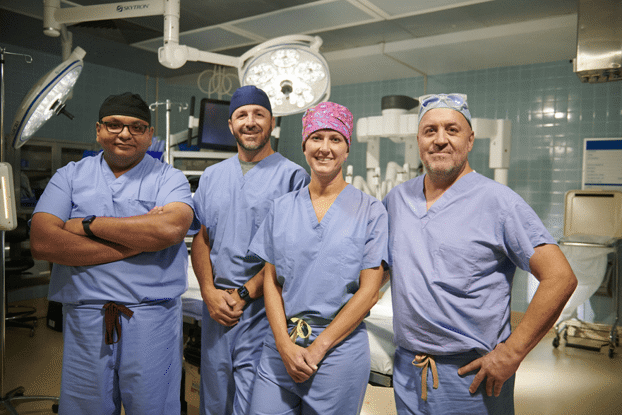
Our highly qualified and board-certified surgical team include surgeons
and operating room staff that have completed rigorous hands-on training
and have performed hundreds of robotic-assisted surgical procedures since
the technology was first introduced at Memorial in 2019.
Clearing the Confusion of Robotic Surgery
Robotics in medicine is often misunderstood. Far from the far-fetched ideas
we see in futurist movies,
we want to be clear - surgical robots assistants do not autonomously perform
the surgery.
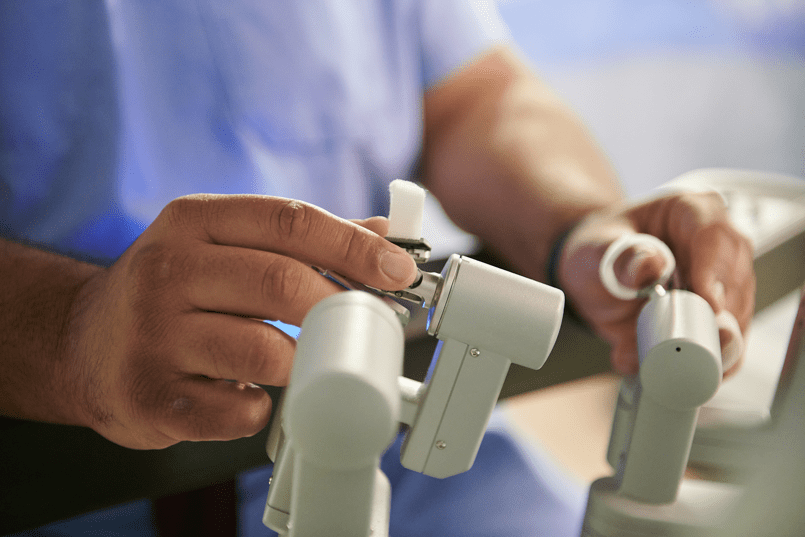
The machine is guided by an experienced surgeon and supervised directly
by the operating room staff. This advanced technology serves as an extension
of your surgeon's eyes and hands for more delicate and precise movement
during surgery. The machine is guided by an experienced surgeon and supervised
directly by the operating room staff. This advanced technology serves
as an extension of your surgeon's eyes and hand for more delicate and
precise movement during surgery. It translates your surgeons' movement
at the console in real time, moving and rotating instruments to perform
each procedure with the most extreme precision possible.
Meet Our Family of Robots
To meet our family of robots, click on the buttons below. If you have questions
about robotic-assisted surgery or wondering if these procedures may be
an option for you, contact your physician or the offices below to schedule
your initial consultation.
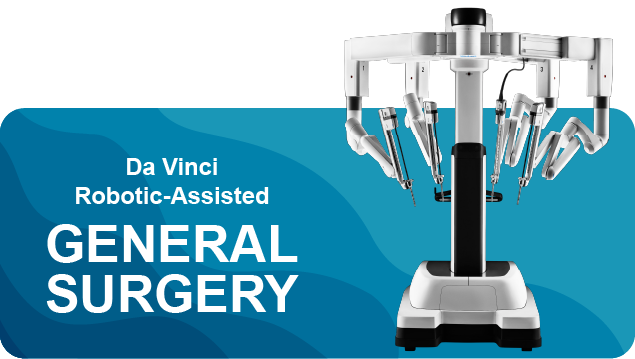
General Surgery
The surgical team at Lake Charles Memorial Health System specialize in
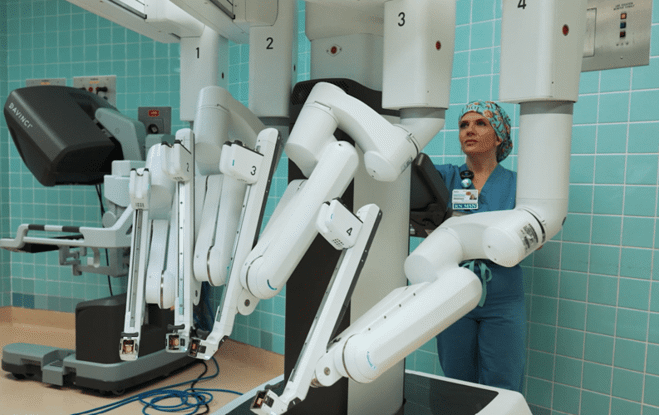
laparoscopic and minimally invasive procedures. The da Vinci surgical
system further expands our surgeons' capabilities to provide surgical
solutions, allowing patients to recover with less pain and quicker recovery
to return to activities and work.
From hernia repair, gastric and colorectal issues, gallbladder disease,
breast health, thyroid disease, and cancer treatment, the da Vinci system
allows surgeons to perform more complex procedures with greater precision.
Urology Surgery
The advanced urology team provides a full range of urological services,
including robotic-assisted surgery. The da Vinci tools allow our urologists
a more precise tool to surgically treat a range of urological conditions.
Robotic-assisted surgery does not replace your surgeon hands but enhances
their ability to treat a range of conditions affecting the kidneys, bladder,
adrenal glands, and reproductive organs, allowing patients to return to
their lives quickly and healthily.
Gynecology Surgery
Lake Charles Memorial Hospital for Women offers a full range of medical
services for comprehensive care for women. The da Vinci system adds an
advanced and innovative tool that complements our full range of dialogistic
and surgical services to treat a range of gynecological conditions from
pelvic floor conditions to cervical disorders.
The da Vinci robot offers an additional layer of minimally invasive surgical
tools to treat endometriosis, pelvic pain and urinary incontinence and
can be used for an even more minimally invasive hysterectomy tool. This
tool allows our surgeons to provide precise surgical care with less complications
and faster recovery times.
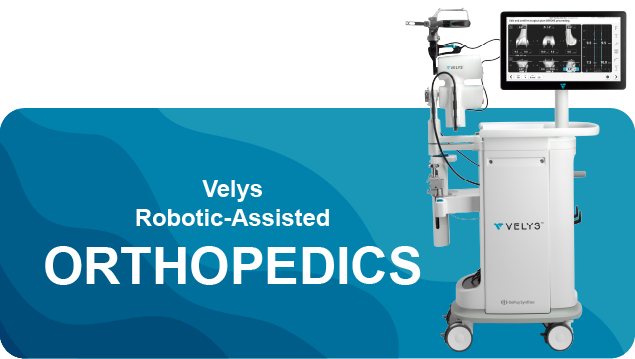
Orthopedic Surgery
Robotic-assisted orthopedic surgery is used to fix the damaged part of
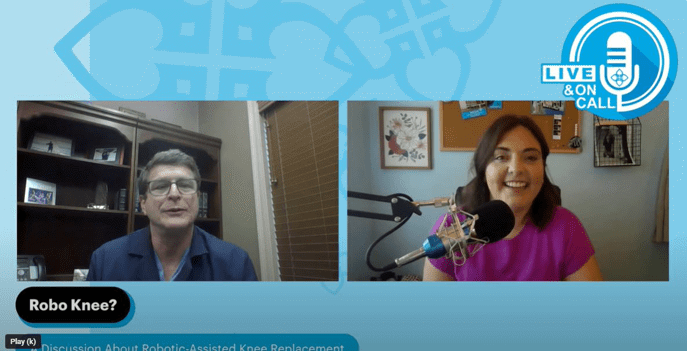
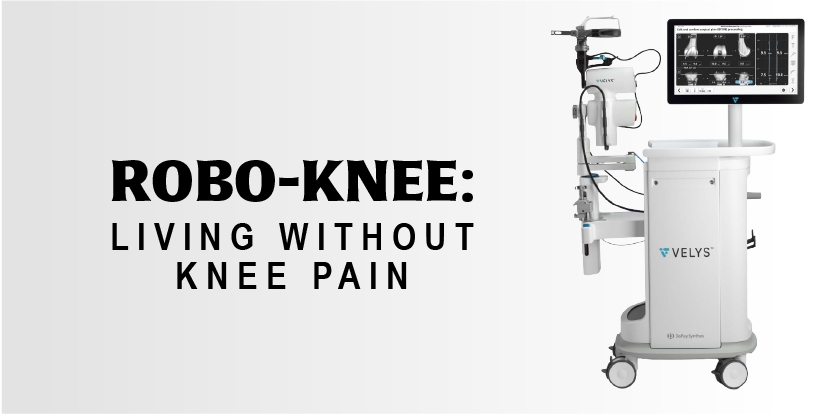
the joint, specifically the knee. Memorial’s Velys device allows
orthopedic surgeons to perform precise knee replacement that is tailored
to each patient.
The technology is controlled by the surgeon and helps patients increase
the likelihood of less pain, faster recovery and more consistent outcomes.
You don’t have to live a life with joint pain. Click the button
below to learn more about robotic-assisted joint replacement.
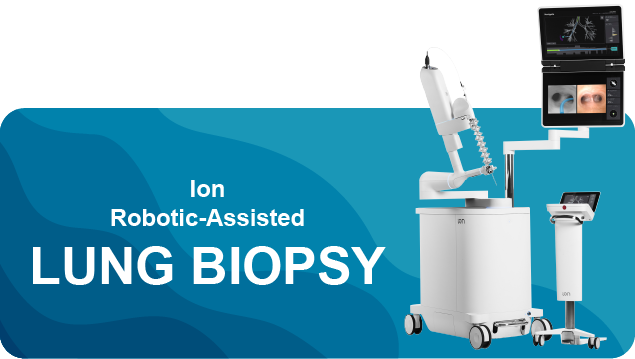
Lung Biopsy
Lung screening and biopsy is a lifesaving procedure that can diagnose lung
cancer in its early stages. Approximately 75% of lung cancers are diagnosed
in an advanced stage, making it challenging to diagnose and treat.
Robotic-assisted lung biopsy is a major medical advancement that offers
physicians stability and precision to obtain tissues samples deep within
the lung, thus detecting earlier stages of lung cancer.
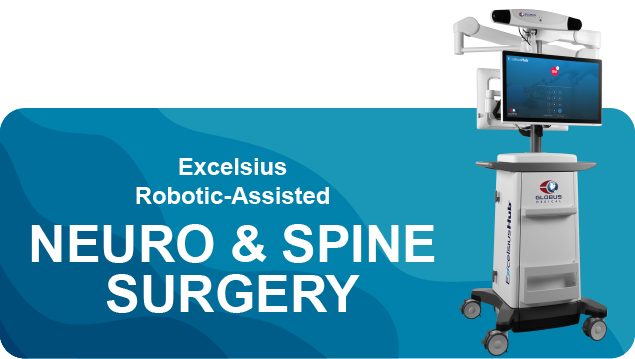
Neurosurgery
Spinal cord injuries can be treated through robotic-assisted surgery. The
Excelsius tools allow surgeons to treat spinal, back, and neck injuries
through minimally invasive incisions with less need to access the spine
through muscles. This option allows patients to benefit from shorter hospital
stays, less tissue damage, and a shorter and less painful recovery.




 Pulmonology, Robotic Assisted CareView Profile











.png)