Precise Care for Kidney, Bladder, & Prostate Health
Robotic-assisted urology surgery provides greater accuracy for complex
procedures involving delicate urinary and reproductive organs. Patients
benefit from less pain and faster recovery times – while doctors'
benefit from greater visualization and greater precision offered by their
treatment-enhancing tools.
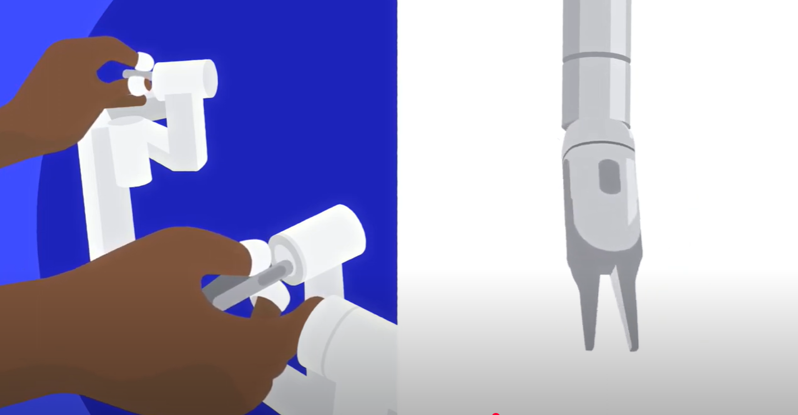
Robotic-assisted surgery enhances your surgeon’s ability –
it does not replace your surgeon’s hands.
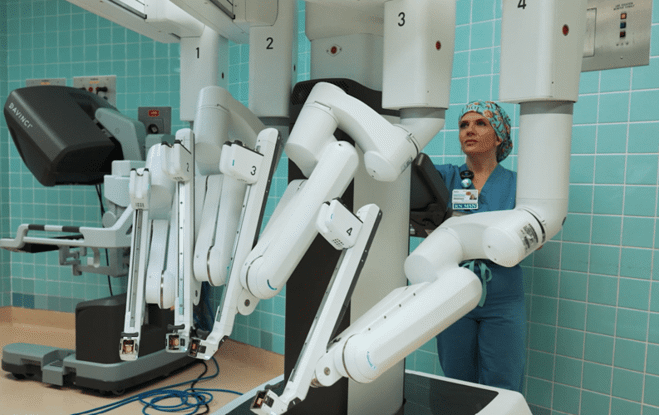
The surgeon-guided da Vinci XI® robotics system assists with a wide
range of minimally invasive general surgery procedures. With shorter recovery
times, fewer complications, less scarring, and less pain, choosing robotic-assisted
surgery can help you get back to the things you love faster.
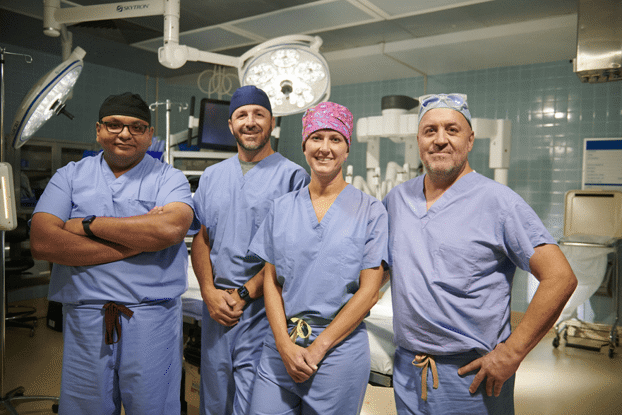
Our leading robotic experts include:
Dr. Farjaad Siddiq who is a board-certified and fellowship-trained urologist who serves as
the Director of Robotic Surgery at LCMHS and was the first physician in
Louisiana to offer robotic prostatectomy for prostate cancer.
Common Urology Procedures for Robotic-Assisted Surgery
Prostate removal
Kidney surgery
Bladder surgery
Urinary tract reconstruction
Treatment for incontinence
Aquablation
Why Choose Robotic-Assisted Surgery
The Da Vinci robotic system enhances your surgeon's ability to deliver
more precise surgical outcomes. There are also a number of benefits for
patients, including lower risk of complications, quicker recovery time,
minimally invasive, and better outcomes.
Frequency Asked Questions
Is robotic-assisted urology surgery better than traditional surgery?
Depending on diagnosis, there can be additional benefits for patients to
choose robotic-assisted surgery, including less pain, faster recovery
time, and minimal scarring. It is important to discuss your surgical options
with your care time and follow the advice of your surgeon.
Will robotic-assisted surgery help with incontinence?
Robotic-assisted surgery can be used to treat conditions that cause incontinence.
For other diagnosis, the improved precision and visualization offered
by the Da Vinci robot can help protect nerves and structures during surgery
that can reduce the risk of post-surgery complications like incontinence.
It is important to discuss any complications or concerns when choosing
a surgical option with your care team and follow the recommendations of
your surgery.
How long will recovery be after robotic-assisted surgery?
Robotic-assisted surgery does not require any additional recovery time
than other surgical procedures, in most cases. Recovery depends on the
specific procedures and your health. Your doctor will give you a personalized
recovery plan.